
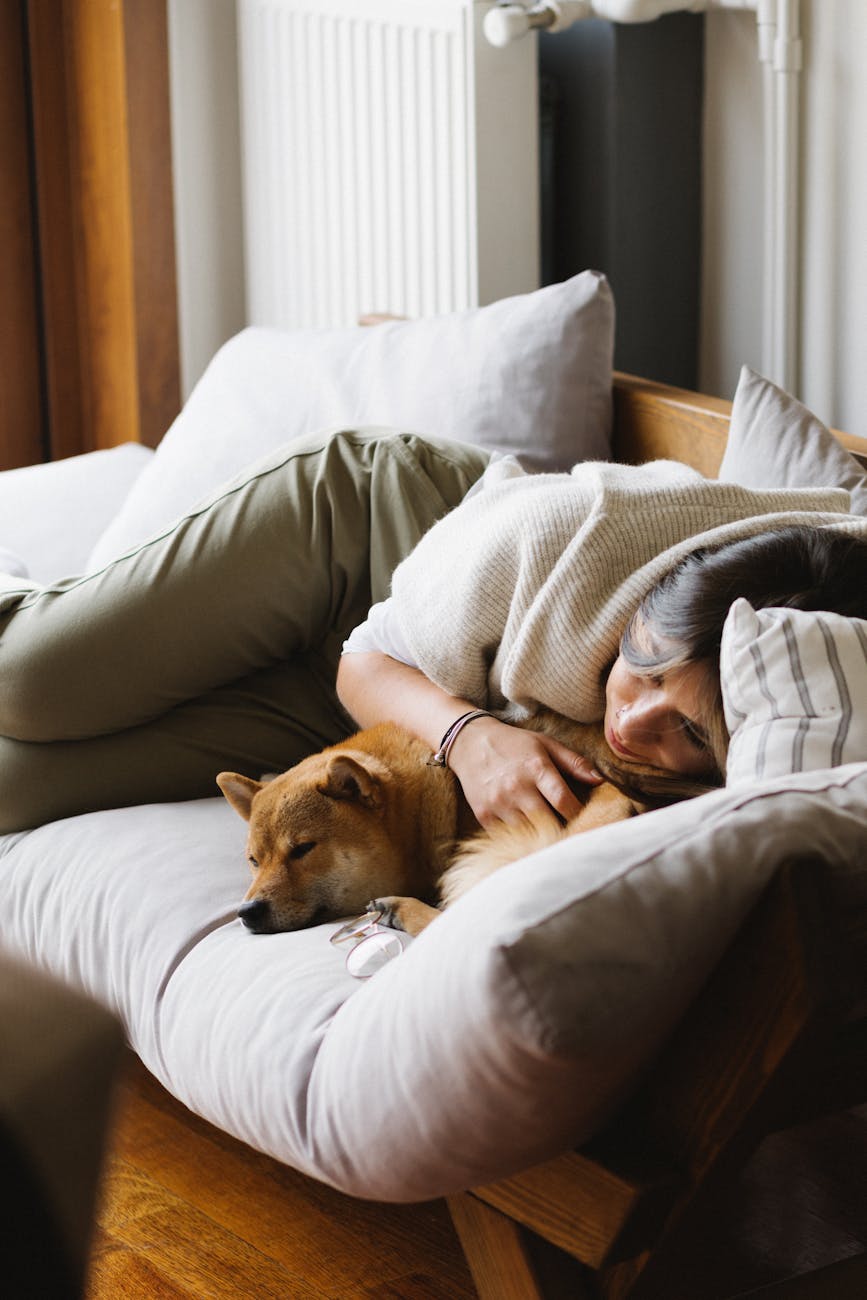
The effect of naps on nighttime sleep for a chronic insomniac is not well understood. Many sleep experts (including those in the CBT-i space) believe that napping reduces sleep drive, which results in your body feeling less sleep pressure, making it harder to fall asleep and stay asleep.
It is also believed that naps can disrupt circadian rhythms, create a cycle of inconsistent sleep, and can increase sleep anxiety.
However, based on my personal experience, I question whether these statements are true for the chronic insomniac. I believe that it is a misconception that napping is inherently bad, especially for people dealing with long-term exhaustion. In fact, The Mayo Clinic* proposes that frequent napping can reduce homeostatic sleep pressure, worsening nighttime insomnia, and is generally discouraged. However, there is new research that supports napping. For example, Fauraut, et al., 2025** showed that short napping has non-detrimental effects on sleep pressure. I argue that frequent daily napping is not only beneficial, but crucial to help the functioning of the chronic insomniac dealing with extreme exhaustion. We cannot assume that napping effects people with chronic insomnia the same way that effects people with acute insomnia or normal sleepers. Chronic insomnia is a different beast!
In fact, napping can be a life saver! It can be the crutch you need to get through particularly bad bouts of sleeplessness.
In truth, some people with chronic insomnia, especially those with exhaustion from long-term sleep loss, may benefit from napping. Napping, or simply “drifting” for even a short period of time, can help mitigate the pain, uncomfortableness, tension, and feelings of agitation that occur with long-term sleep loss.
The emotional effect of getting as little as 20 minutes of sleep during the day may be just enough to get you through the rest of the day. You still may feel uncomfortable, but perhaps a nap can give you just enough stamina to make it through the rest of the day. It may be just what you need to get over the hump of the day.
Napping can help reduce daytime fatigue, help you function better, think more clearly, and feel less defeated despite chronic sleep loss. Napping improves mood and emotional resilience, giving your nervous system a small reset that can lessen irritability and anxiety.
A daytime nap can also support physical recovery by reducing cortisol, easing muscle tension, reducing headaches, and promoting general restoration.
Napping can also act as a controlled safety valve when exhaustion becomes too high. It can help prevent a spiral of panic, dread, or hyperarousal that can make the next night worse. It can also build confidence in your ability to rest. This can help to counteract the fear-based cycle around sleep and reinforces the idea that your body can settle and rejuvenate.
So, when you are scouring for information on how to overcome insomnia, you will undoubtedly find information that will discourage you from napping. Heed that advice cautiously because napping is not equivalent for people who are experiencing long term exhaustion versus those who have had a couple of bad nights.
For me, napping has been the one little thing that has gotten me through many of awful days! I often felt guilty for napping, always listening to the professionals, thinking it would ruin my sleep drive at night. I also had guilt and shame for needing a nap, feeling lazy for needing to succumb to a nap. But there was no other way for me to function during the day. I encourage you to explore your own relationship with napping, and tread cautiously against the advice that discourages the chronic insomniac from daily napping!
If you are looking for a gentler approach toward addressing your chronic problems with sleep, please consider learning about The Rest ReSET program. It is a specific journaling practice that will help your nervous system purge the negative thoughts, emotions, and fears that may be at the root of your chronic insomnia.
* Mayo Foundation for Medical Education and Research. (2024, November 6). Napping: Do’s and don’ts for healthy adults. Mayo Clinic. https://www.mayoclinic.org/healthy-lifestyle/adult-health/in-depth/napping/art-20048319
**Faraut, B., Gaillard, L., Labonne, A., Dubois, J. M., Adrien, J., & Léger, D. (2025). Napping during cognitive behavioural therapy for insomnia: Friends or foes? Journal of Sleep Research, 34(2), e14343. https://doi.org/10.1111/jsr.14343

 restwithoutrules.com
Leave a comment