

Exercise has a ton of beneficial effects on the human body, including weight management, cardiovascular health, strengthened muscles and bones, increased energy, and reduced risk of chronic disease. In terms of sleep, exercise is known to promote relaxation, increase melatonin production, reduce stress, cortisol, and anxiety, and regulate circadian rhythms. It is sometimes touted as a cure-all for mental health and for the prevention of chronic disease.
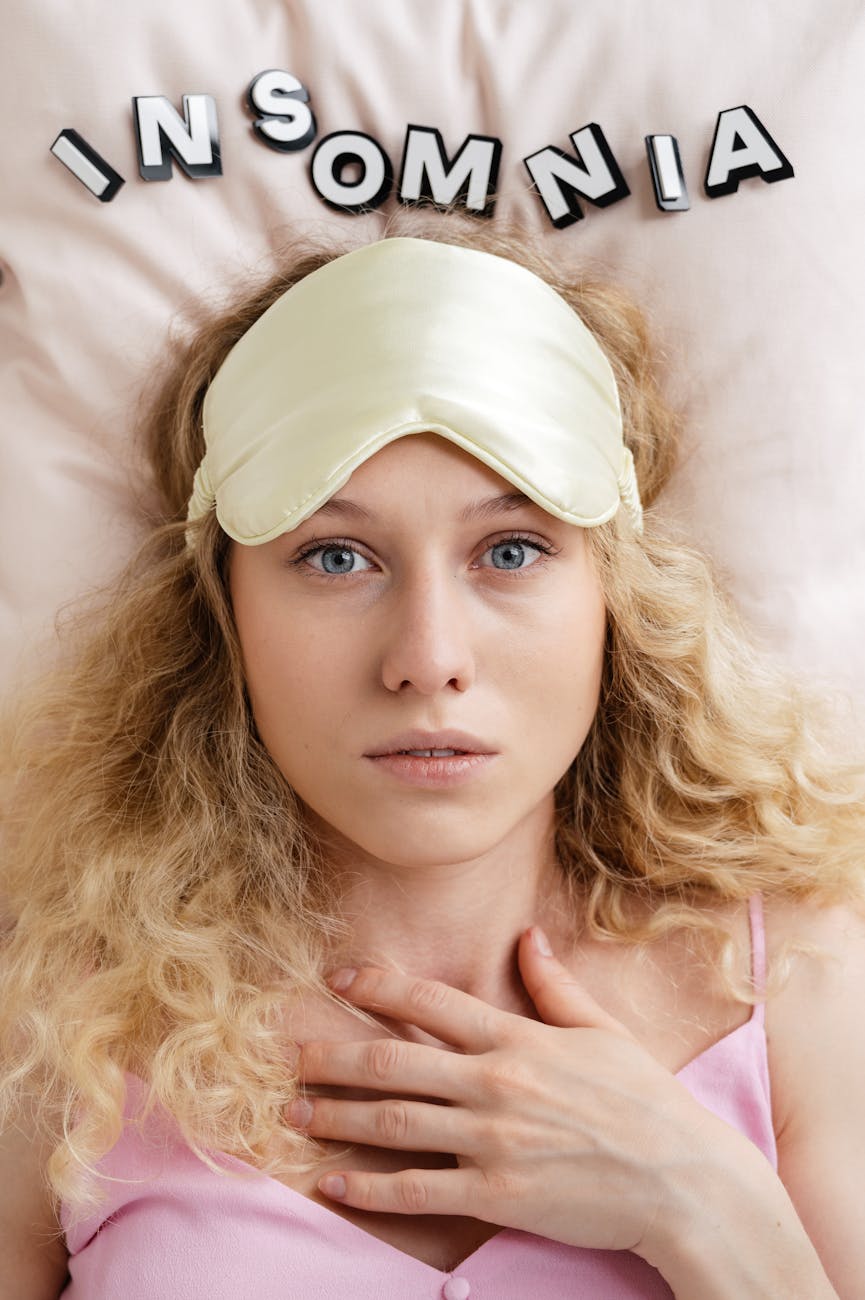
However, for the chronic insomniac, exercise can have a more nuanced relationship with sleep. In fact, it can sometimes backfire—not because exercise is “bad,” but because of how the nervous system and fear-of-sleep loop interact!
Here are some ways in which exercise can negatively affect sleep for the chronic insomniac:
- It can increase physiological arousal and stress, making it harder to wind down.
- It can trigger the “performance around sleep” loop ⟶ I have to work out so I am able to sleep tonight
- It can trigger the “performance around workout” loop ⟶ If I don’t sleep, I won’t have the energy to work out
- Blood sugar drops overnight, causing 3:00 am wake-ups due to adrenaline spikes
- It can reinforce the fear cycle if you have a bad night after a workout.
With chronic insomnia – especially when it’s been going on for years – the issue is often less about the actual effects of exercise on sleep and more about your perception of how exercise affects you, both when you do it and when you don’t do it. It is about how you are holding your relationship with exercise in your subconscious. If exercise feels empowering, mood-lifting, and pressure-free, it usually helps. If it feels like something you “must” do, like a test, like a sleep fix, like another thing you can fail at, or if it feels overwhelming, it can quietly keep your system activated.
The idea that exercise can keep your system activated is particularly true for those who consider themselves high-achievers or perfectionists. These types of people, myself included, put pressure on themselves to do things right, to push through discomfort, and attach their identity to being disciplined, strong, or “good.” With exercise, this can look like overexercising, becoming fixated on rigid routines, experiencing anxiety about missing workouts, and turning movement into another performance metric. The result is that the nervous system stays activated, and the body can create symptoms such as sleeplessness, insomnia, and fatigue as protection because your “healthy” habit has become rigid and fear-driven. You become stuck in a bind; you rely on exercise to feel in control, but your ability to exercise feels threatened by poor sleep.
You may not realize it, but the internal pressure driving exercise habits is often running at night. So at night, even if you’re exhausted, there’s often an undercurrent of a mental checklist, body awareness, and subtle urgency about tomorrow. This is not always a conscious awareness, but it is an awareness that is very active in the nervous system.
The deeper truth, the part that people don’t usually say, is that this isn’t really about exercise or appearance. It’s about control vs. letting go, self-worth tied to performance, fear of what happens if you stop managing everything. Exercise just happens to be one of the places it shows up most clearly. Sleep is where it gets exposed – because sleep does not respond to effort or control.
None of this is a flaw. Your brain is basically saying “If we stay disciplined and in control, we will be safe.” That strategy probably worked in some areas of your life. But with sleep, it backfires–because sleep only comes when that monitoring and pressure are turned off.
If you are feeling overwhelmed by your exercise routine, especially in the context of active insomnia, there are some things that might work better, including light walking, yoga, and movement that feels regulating rather than depleting. Sometimes it is therapeutic to take time off of exercise altogether. These approaches are both physically easier on the body and require less mental load to push through.
The relationship to exercise for the chronic insomniac is very individual. For some, it might be a relief valve. For others, the pressure to physically perform when exhausted can be highly activating. In my case, I have been a lifelong exerciser. I take pride in it! But for those years that I was in the throes of active insomnia, the pressure to complete my weekly workouts was very dysregulating. For me, my exercise routine was based in fear. What if I didn’t do it? What if I had no energy? What if, in order to save my sleep, I had to quit working out altogether?
I encourage you to explore your relationship with exercise. For some, it can be a very delicate balance as to whether exercise is offering a relief valve or whether the pressure to physically perform is creating further dysregulation in a highly activated nervous system.
If you feel that exercise, or the pressure to exercise, plays a part in your issues around sleep, a gentler approach toward understanding the emotional root of your insomnia might be more helpful. If you are curious about the Rest RESET program, please check it out. It is a specific journaling practice that will help your nervous system purge negative thoughts, emotions, and fears that may be at the root of your chronic insomnia.
Subscribe
Subscribe to get our latest news in your inbox.
 Rest Without Rules