Understanding the Impact of Sleep Deprivation
Sensitive Content: This article discusses suicidal thoughts and the profound despair that can accompany chronic insomnia; if you are in immediate danger or believe you may act on suicidal thoughts, call or text 988 in the United States or seek emergency help.
When Insomnia Takes You to a Very Dark Place
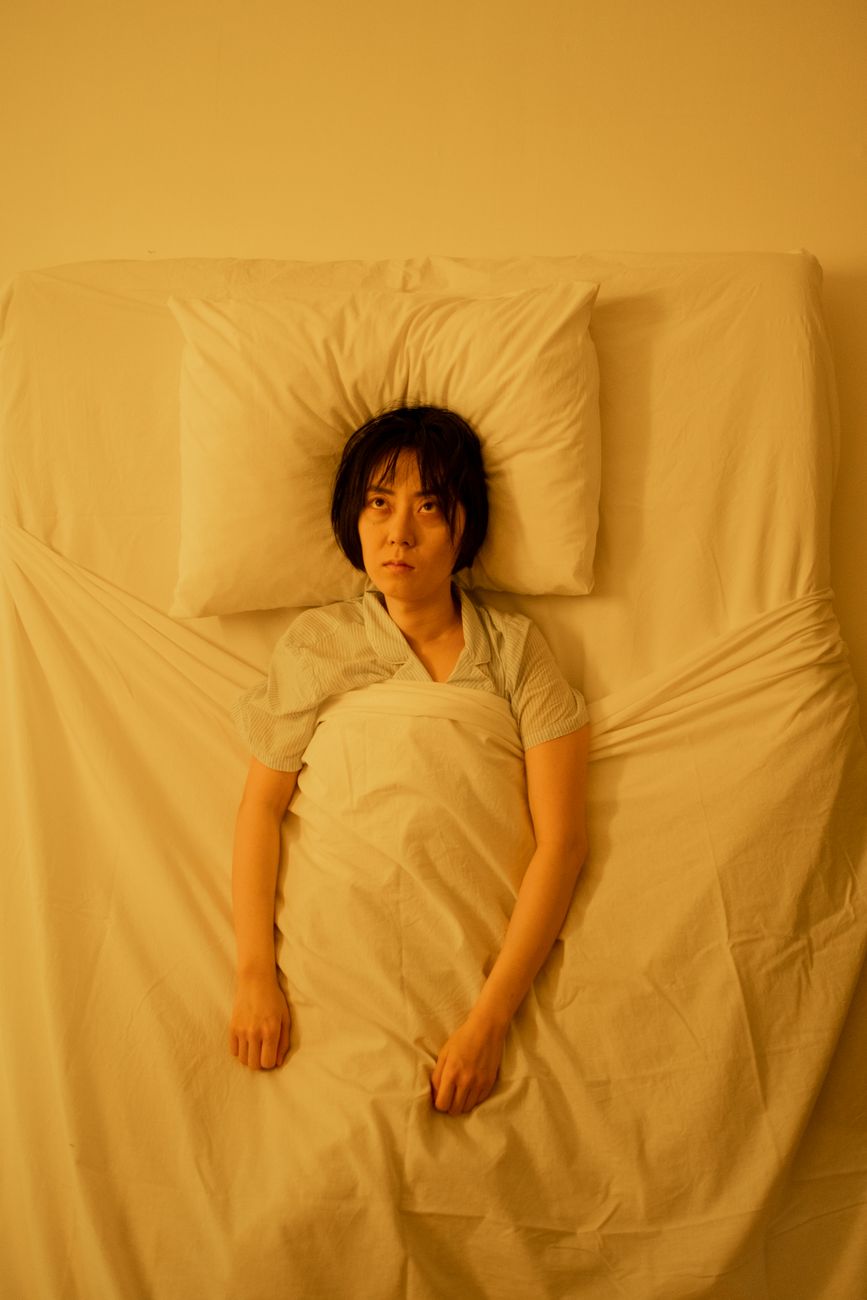
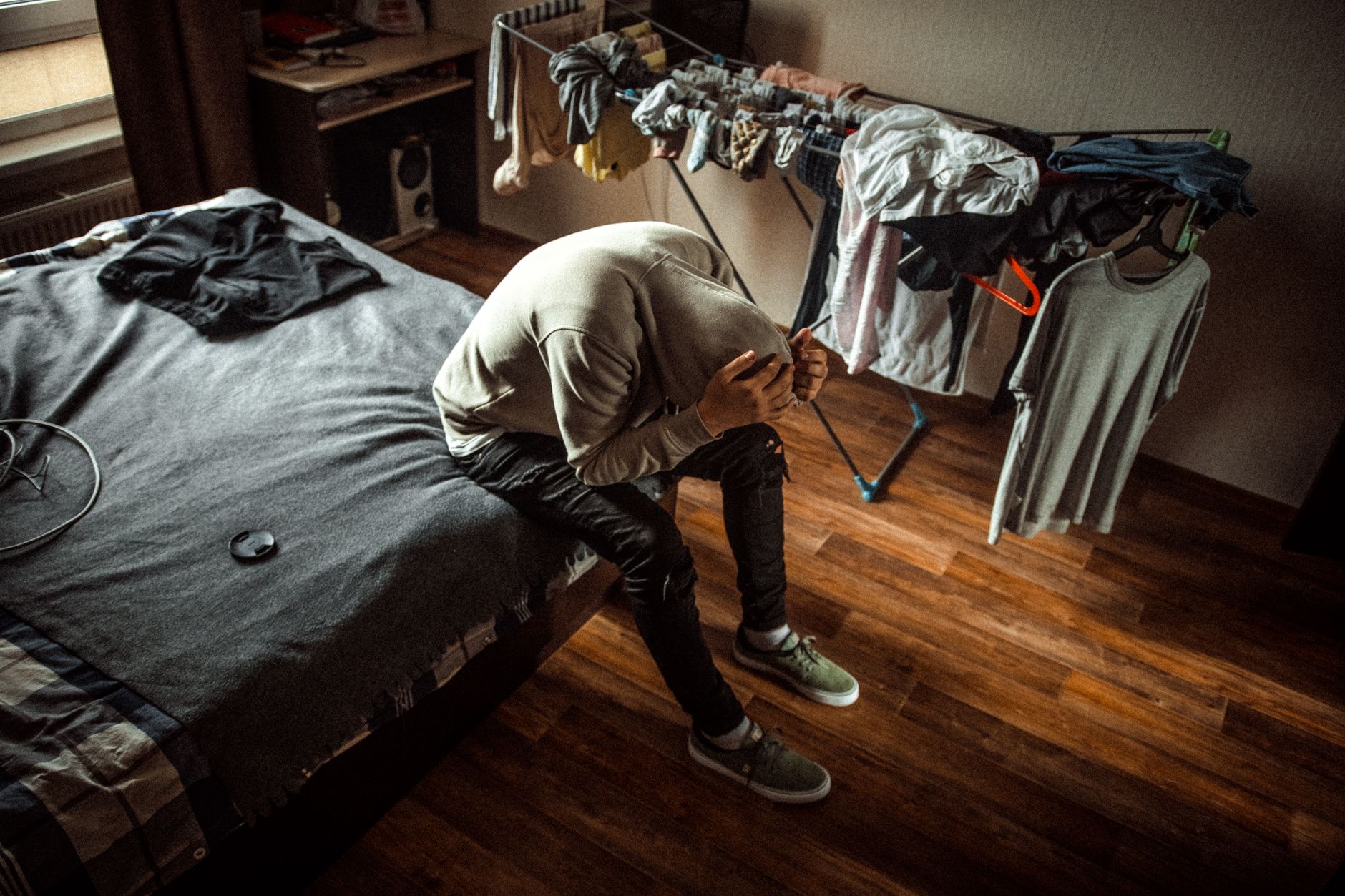
There is a side of chronic insomnia that is rarely discussed with the honesty it deserves: sometimes, after enough nights of fragmented, inadequate, or nonexistent sleep, the suffering becomes so profound that a person can begin to wonder how much longer they can endure it. This does not necessarily mean that someone wants to die; sometimes what they desperately want is for the suffering to stop. But when exhaustion, anxiety, hopelessness, and emotional distress converge, the distinction can become frighteningly difficult to maintain.
Sleep deprivation does more than make us tired. It can alter emotional regulation, intensify anxiety, magnify negative thinking, and make ordinary problems feel disproportionately threatening. When this state persists night after night, the mind can begin to lose its capacity for perspective. A problem that might ordinarily seem manageable can suddenly feel insurmountable, and a difficult period can begin to look like an immutable future.
In my personal experience with chronic insomnia, during the depths of my own suffering, my children were young, and there were so many demands of me during the day. It was an overwhelming time in its own right, but the insomnia made everything so much worse. There were moments when I felt like I couldn’t go on, that I would never get better…the exhaustion and ensuing depression enveloped me. I never acted on these feelings, but the thought of escaping by suicide definitely lingered in the back of my mind.
When a Thought Begins to Feel Like a Fact
This is where I think we need to be particularly careful about the conclusions we draw during our darkest hours. A thought such as I cannot do this anymore may be completely honest; you may, in fact, be profoundly exhausted by what you are experiencing. But the conclusion that therefore nothing will ever change is something different. It is an interpretation of your circumstances, and an exhausted brain is not necessarily a reliable interpreter of the future.
Take the Thoughts Seriously—But Don’t Obey Them
This does not mean suicidal thoughts should be dismissed as “just insomnia.” They should be taken seriously, and they deserve compassion, attention, and appropriate professional support. But taking a thought seriously is not the same thing as obeying it. When you are in the depths of sleep deprivation, you do not need to solve your entire life. You need to get through the moment without making an irreversible decision based upon a temporary state of extreme suffering.
If this is where you find yourself, tell someone. Call a friend or family member. Write unabashedly in your journal. Contact a mental-health professional. And if you are experiencing suicidal thoughts or feel you may be in danger of acting on them, call or text 988, the Suicide & Crisis Lifeline, which provides free, confidential support 24 hours a day.
Your Exhausted Mind Is Not Your Entire Future
There is a future version of you who may experience this night differently than you are experiencing it right now. You do not have to believe everything your exhausted mind tells you at 3 a.m.
If you are struggling with chronic insomnia and want to explore a different way of understanding your relationship with sleep, I invite you to learn more about Rest ReSet, and to sign up for the Rethinking Chronic Insomnia newsletter for ongoing reflections, insights, and writing prompts designed to help you approach insomnia from a different perspective. The sign-up is below